
Improve inbound pipeline from search
What this page covers
Improve inbound pipeline from search
If your US growth team depends on qualified inbound demand from Google and AI-powered search, the first step is to see how your current site is actually working. A focused scan shows which pages and hubs are visible, where discovery is blocked, and why organic demand is not turning into conversations.
SEO/GEO Community US and 1000&1 Pages help you turn that insight into a practical inbound search layer: clear hubs and leaves, evidence-backed pages, and internal links that make it easier for buyers to find answers, evaluate you, and start a sales conversation from search.
In brief
- Start by diagnosing your public site structure to see which pages, hubs, and sitemaps are visible in Google and AI-powered search today.
- Use those findings to plan a focused search layer: hubs, leaf pages, and Q&A content mapped to real US demand by industry, role, and scenario.
- Deploy and connect these pages with clean internal linking and sitemaps so they can be discovered, support buying committees, and feed a measurable inbound pipeline.
What to do
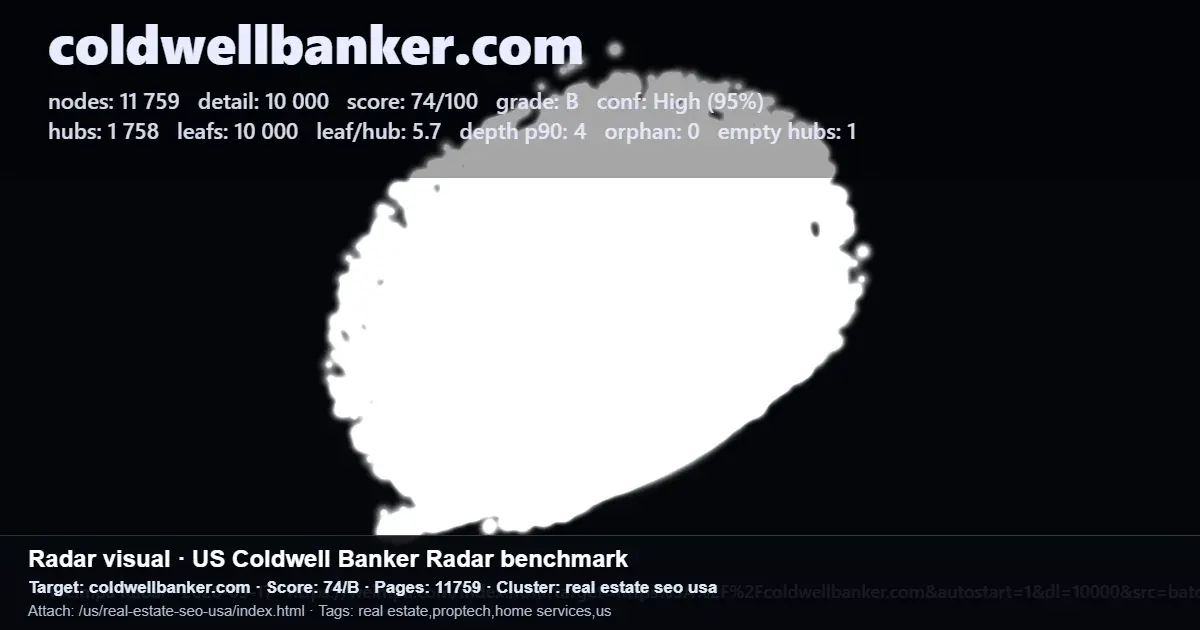
SEO/GEO Community US is built for teams that need more qualified inbound demand from Google and AI-powered search, not just more traffic. The process starts with a Radar scan of your public website to reveal how it is structured, which hubs and pages are visible, and where indexing or discovery is blocked. This gives you a concrete picture of why organic and AI search may not be contributing enough to your pipeline.
Once structural gaps are clear, 1000&1 Pages helps design the missing search layer around real US demand. That includes mapping search opportunities across states, cities, industries, buyer roles, and business scenarios, then planning hub/leaf architectures and evidence-backed Q&A pages that answer specific questions. The goal is to support buying committees with concise, useful pages instead of generic SEO filler.
With the plan in place, the focus shifts to execution: building fast pages, wiring internal links, and submitting high-quality sitemaps so new content can be discovered and indexed. This creates a measurable inbound layer where each page has a clear role in search demand coverage, helps prospects understand your offer, and makes it easier for them to move from search to qualified conversations with your team.
What to keep in mind
This approach is designed for US growth teams, CMOs, SEO leads, and agencies that already have a public site but struggle to see impact from organic and AI-powered search. It works best when there is a clear need to understand how site structure, indexing, and internal linking affect inbound demand, and when the team is ready to act on those findings.
If you only need one-off content pieces, or if search is not a meaningful channel for your buyers, a full search demand engine may be more than you need. The method assumes you care about high-intent queries, want to avoid generic content, and are willing to align pages with real buyer questions by industry, role, and geography.
The emphasis is on evidence-backed pages and measurable outcomes, not quick hacks. Existing FAQ or Q&A sections that are generic, shallow, or disconnected from hubs and sitemaps may need to be reworked. Teams that can integrate these pages into their broader marketing and sales motions are more likely to see a stronger, more reliable inbound pipeline from search.