
Reduce paid search dependence
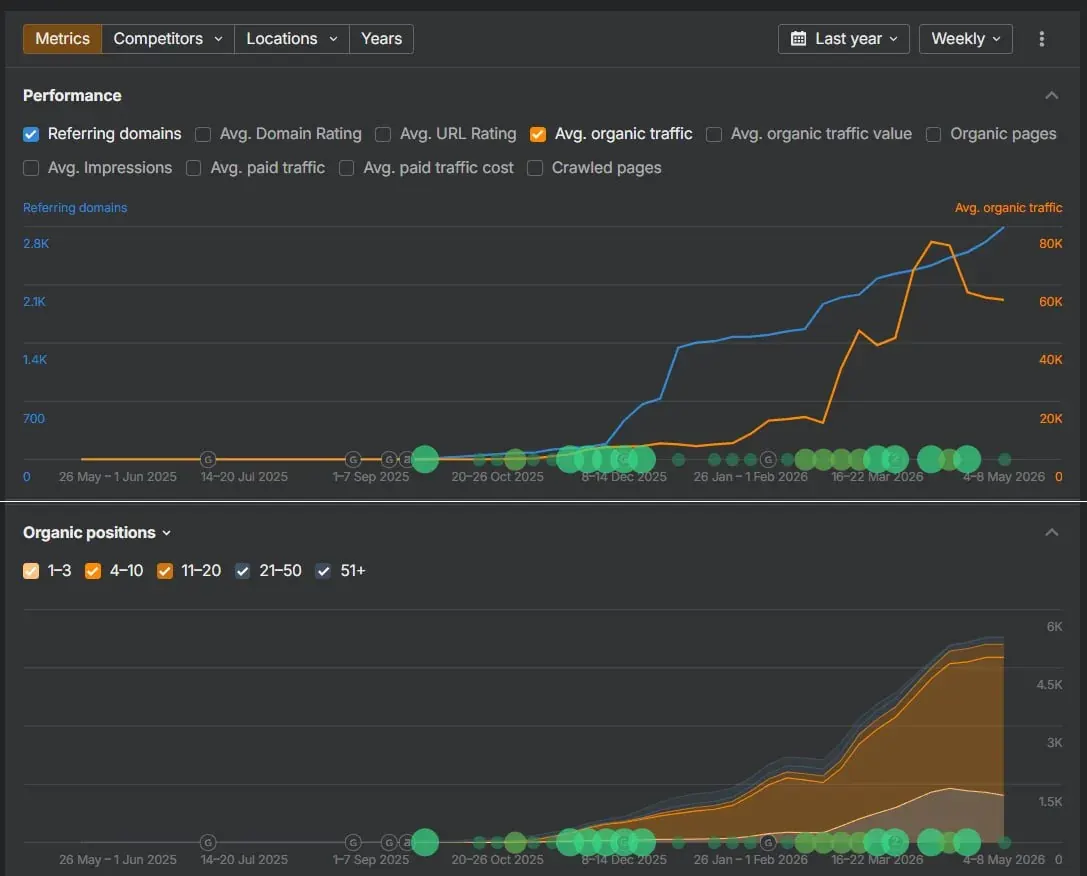
What this page covers
Reduce paid search dependence
Paid search can deliver quick wins, but depending on it alone makes your growth fragile. If budgets are cut or platforms change rules, your pipeline and visibility can drop almost overnight.
We help people find you when they search or ask a question by turning real demand into a network of fast, structured pages. This gives you qualified inbound leads and a more durable alternative to pure paid search spend.
Reducing paid search dependence starts with understanding real search demand in your market and building pages that answer those questions directly.
In brief
- Reducing paid search dependence starts with mapping real search demand in your market and building pages that answer those questions clearly, so people can find you without clicking an ad.
- A structured inbound search layer brings qualified traffic from Google and AI-powered search, so you can grow pipeline without raising paid budgets every quarter.
- To see what this could look like for your site, you can start with a Radar scan or book a meeting to review your current search mix, organic gaps, and risks to your pipeline if paid spend is reduced.
What to do
SEO/GEO Community US is built for growth teams, CMOs, SEO leads, agencies, SaaS companies, marketplaces, franchise networks, healthcare groups, real estate platforms, fintech teams, and professional services that want more qualified inbound demand from Google and AI-powered search instead of relying only on paid campaigns.
The first step is a Radar scan. It shows how your public website is structured, which hubs and pages are visible, where discovery is blocked, and what should be fixed first. When Radar finds a structural gap, 1000&1 Pages helps design the missing search layer: US demand mapping, hub and leaf page planning, evidence-backed Q&A pages, internal linking, deployment, sitemap submission, and growth monitoring.
The goal is not to publish more generic content. The goal is to build a measurable inbound layer that captures high-intent search demand across states, cities, metros, industries, buyer roles, and business scenarios, so people can find you when they search or ask a question and your inbound leads are no longer tied only to paid search budgets.
What to keep in mind
Many teams today fund local growth or brand presence mainly through paid channels that compete for the same budget as platforms like Reputation.com, which uses per-location pricing for networks in healthcare, auto, or real estate. When everything is framed as media spend, it becomes hard to justify long-term search investments that reduce paid dependence.
An inbound search layer is most effective when you already have a public website and need more qualified demand from Google and AI-powered search. It works best for organizations that think in terms of hubs, locations, services, and buyer scenarios, and are ready to improve site structure, internal linking, and sitemap quality instead of just launching another paid campaign.
If you are not ready to adjust your site architecture or measure search demand coverage, this approach may feel early. In that case, you can still use a Radar scan as a low-commitment diagnostic to see where organic visibility is blocked before you decide how far and how fast to move away from paid search dependence.