
Programmatic SEO for marketplaces
What this page covers
Programmatic SEO for marketplaces
Programmatic SEO for marketplaces works best as a controlled page system, not a one-time content push. Start by checking structure, templates, data fields, internal links, and sitemaps.
Radar helps teams review the current site structure and spot weak areas before deciding whether a marketplace is ready for a small, measurable programmatic SEO pilot.
In brief
- Start with readiness. Confirm that the current site structure can support many pages before expanding templates.
- Map the fields that will power each page, then review internal links, sitemaps, URLs, image alt text, and outgoing-link handling.
- Keep the first rollout controlled so quality issues are easy to find before a larger marketplace page set is produced.
What to do
A practical programmatic SEO plan for a marketplace starts with a readiness check. The team needs to understand whether the current site structure can support a large set of pages and which data fields can reliably power the templates.
The operational layer matters as much as the page idea. Internal links may be handled manually or with automation, URLs may need quick edits, duplicated pages can speed up workflows, and image alt text can be generated from available fields.
Radar is useful when the next step is not yet clear. It helps identify weak spots, organize checks around templates, internal links, and sitemaps, and support a controlled pilot before broader production.
What to keep in mind
This approach fits teams that are not sure whether their current marketplace structure is ready for programmatic SEO. It is especially relevant when template fields, internal links, and sitemap logic still need a practical review.
It is not a shortcut for publishing many pages without controls. Large-scale page creation can create search quality risks, so stakeholders should understand the risks and benefits before launch.
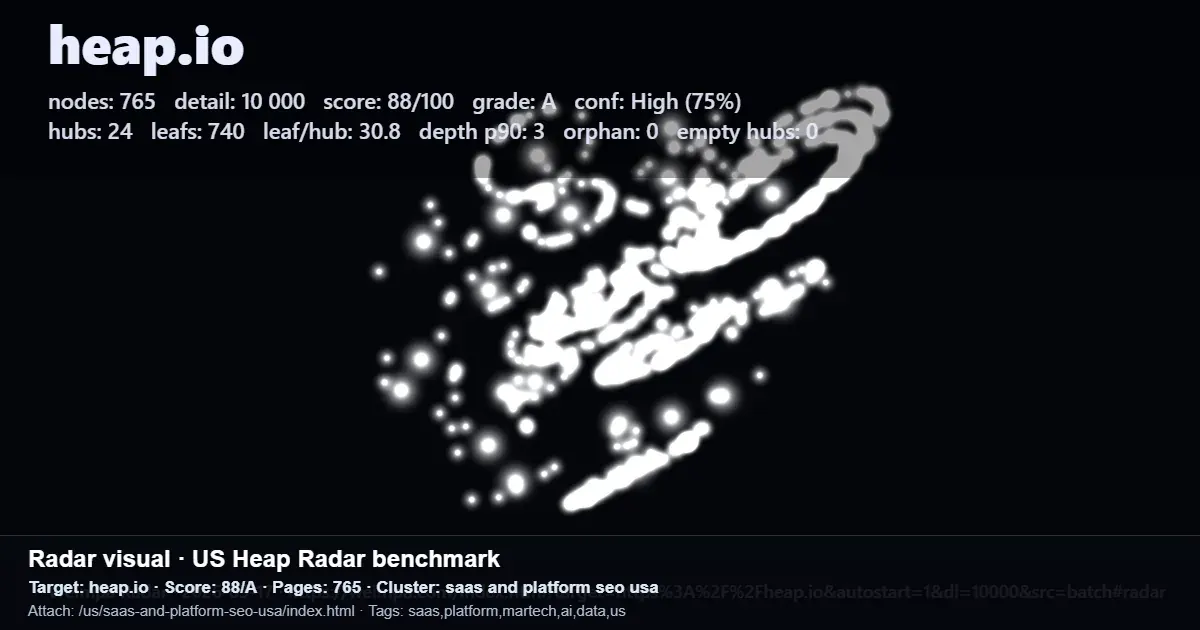
A large-site benchmark can describe a site by nodes, hub pages, leaf pages, and cluster tags. One US benchmark listed 10,007 pages, 46 hubs, and 9,960 leaf pages, showing the kind of structure Radar can evaluate.