
Q&a page generation for seo
What this page covers
Q&a page generation for seo
Q&A page generation for SEO means structuring questions and answers so they match how people search and how search engines parse content. When done well, these pages can support topic clusters, capture long‑tail queries, and help users quickly find specific information.
A Q&A page works like a compact guide or mini table of contents for a topic. By grouping related questions, clarifying key terms, and addressing common objections in one place, you make content easier to scan for visitors and easier to interpret and rank for search engines.
In brief
- Q&A page generation for SEO is the process of planning and writing focused questions and clear answers around one topic so they align with real search behavior and user intent.
- Well‑structured Q&A content can anchor a broader content strategy, acting as an entry point into deeper pages and helping users move from broad questions to specific solutions or offers.
- To keep Q&A pages effective, refine questions based on real queries from tools like Search Console or keyword platforms, and adjust wording, coverage, and internal links as search patterns change.
What to do
A practical way to approach Q&A page generation for SEO is to treat each page as part of a topic cluster. Start with a clear theme, then outline the main subtopics and recurring questions people ask in search. Similar to building a multi‑page guide, you define the core page and supporting assets, but here you collect concise questions and direct answers in one structured hub.
Inside a Q&A page, mirror the logic of a good guide. Begin with foundational questions that cover definitions, scope, and basic context. Then move into more detailed queries about use cases, risks, workflows, and how‑to steps. For example, a cluster about a practical business problem might include questions on basic concepts, prevention or optimization tips, non‑technical options, safe use of tools or products, and when to involve a specialist or vendor. Each answer should stay tightly focused on the question and avoid unnecessary digressions.
As you publish and monitor Q&A pages, search data becomes a feedback loop. Real queries in SEO tools can reveal new questions to add, wording to clarify, and topics that deserve their own dedicated pages linked from the Q&A hub. Over time, this iterative refinement keeps the Q&A section aligned with how people actually search, while also strengthening site structure, internal linking, and coverage of high‑intent demand.
What to keep in mind
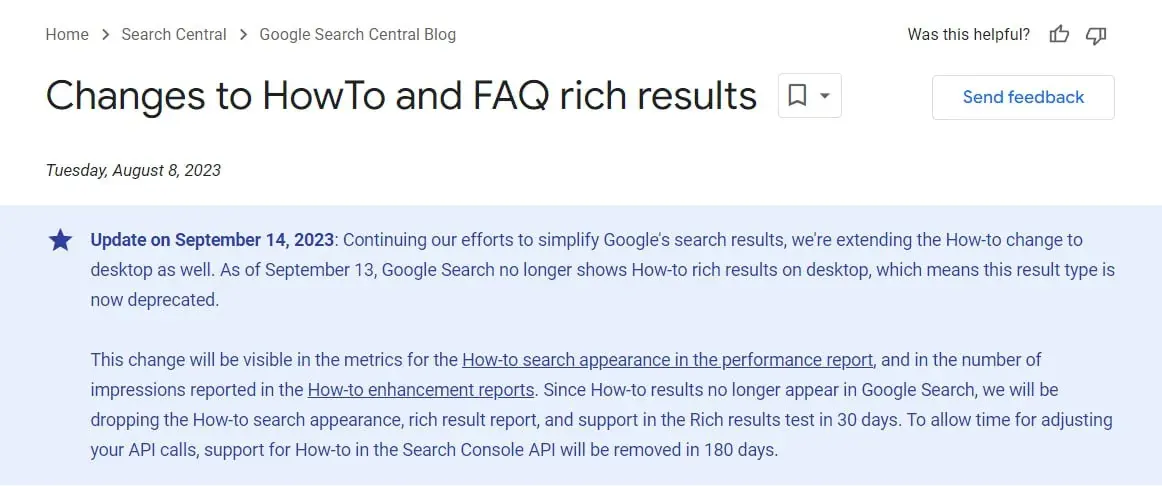
Q&A page generation for SEO works best when it is grounded in specific domains and real user questions. In areas like regional services, SaaS, or ecommerce, visitors often ask detailed comparison, pricing, or operational questions. Turning these into structured FAQs or Q&A sections on key pages can make content more useful, reduce friction, and signal relevance to search engines.
There are limits to what a single Q&A page can cover. Highly specialized topics, complex regulations, or multi‑step buying journeys may require several pages or deeper guides, with the Q&A acting mainly as a navigational and clarification layer. In those cases, the Q&A should summarize key points and point users toward more comprehensive resources rather than trying to replace them.
Search engines look at broad page‑level signals such as headings, word count, internal links, and overall usefulness when assessing quality. This means Q&A pages should not be thin add‑ons, but structured content that reflects real effort and clear intent. However, effort alone is not enough; the questions must map to genuine user intent, be written in natural language, and be updated as search behavior, products, and market conditions evolve.