
Organic pipeline from google search
What this page covers
Organic pipeline from google search
An organic pipeline from Google Search is a steady flow of qualified visitors who find your site through unpaid search results. For US teams, this is the base layer of predictable inbound demand from people already looking for answers, services, or solutions.
Because Google rankings shift with updates like spam filters, core updates, and mobile usability checks, a durable organic pipeline depends on clean site structure, crawlable pages, and content that clearly matches real search intent instead of short-term tricks or thin pages.
In brief
- Organic traffic from Google is driven by how well your pages can be crawled, rendered, and matched to real queries, not by quick hacks that are likely to be hit by spam or quality updates.
- A resilient organic pipeline focuses on clear site architecture, strong internal linking, and content that is fully visible and usable on mobile, where Google evaluates many URLs first.
- SEO/GEO Community US helps teams treat organic search as an inbound layer: pages that answer real questions, get indexed reliably, and turn search demand into qualified conversations instead of random visits.
What to do
SEO/GEO Community US is built for growth teams, CMOs, SEO leads, and operators who need qualified inbound demand from Google and AI-powered search. Instead of chasing every algorithm change, the focus is on building a measurable search layer: hubs and pages that match how people actually search by industry, role, and use case in the US market.
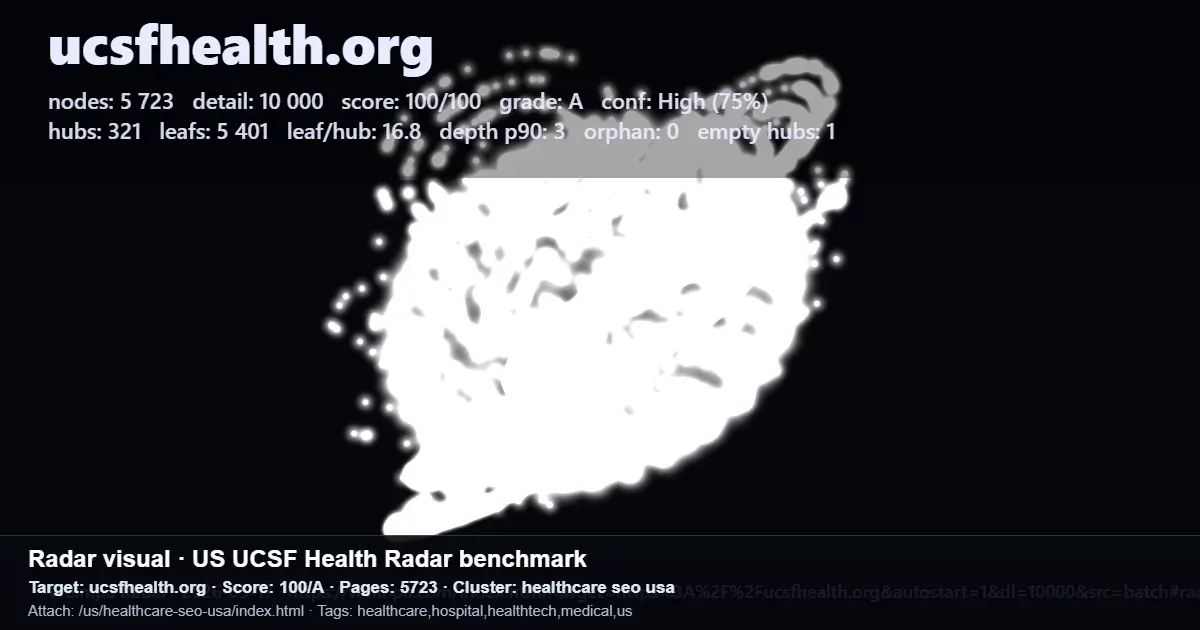
The first step in strengthening your organic pipeline is a Radar scan of your public site. Radar shows how your content is structured, which hubs and leaf pages are visible, where discovery is blocked, and which gaps in search demand coverage matter most. This gives you a concrete map of what Google can see today and where your pipeline is leaking traffic or intent.
When Radar finds structural gaps, 1000&1 Pages helps you build the missing search layer: US demand mapping, hub and leaf planning, evidence-backed Q&A pages, internal linking, deployment, sitemap submission, and growth monitoring. The goal is not more generic content, but a connected set of pages that survive updates, support buying committees, and turn organic search into consistent, qualified demand.
What to keep in mind
An organic pipeline from Google works best for organizations ready to invest in clear structure and durable content, not one-off campaigns. If your site relies mainly on thin, generic pages or aggressive tactics that resemble spam, you are more exposed when Google rolls out ranking and spam updates that can take weeks or months to settle.
Teams with complex offerings such as SaaS platforms, marketplaces, healthcare groups, or B2B services often struggle because high-intent queries by industry, role, or use case are not mapped to dedicated hubs and pages. In those cases, AI search and Google may surface third-party content instead of your own, limiting how much organic demand you capture and convert.
Radar and 1000&1 Pages are a fit if you want a diagnostic view of which pages are indexed and driving demand, where navigation and internal links hide valuable content, and which hubs or use-case pages are missing. They are less suitable if you are looking for guaranteed rankings or shortcuts; the emphasis is on structural clarity, search demand coverage, and long-term visibility.