
Search demand to qualified leads
What this page covers
Search demand to qualified leads
Traffic only matters when it connects to qualified inbound demand. For US growth teams, that means matching real search behavior from Google and AI-powered search to the pages buyers need.
SEO/GEO Community US starts with Radar diagnostics to show how your public site is structured, which hubs and pages are visible, where discovery is blocked, and what to fix first.
In brief
- Use Radar to see how your public site is structured, including visible pages, hubs, leaves, weak spots, and sitemap or access issues.
- Map high-intent US search demand by state, city, metro, industry, buyer role, and business scenario before creating more pages.
- Build a measurable inbound layer with hub and leaf pages, evidence-backed Q&A, internal links, sitemap submission, and growth monitoring.
What to do
Search demand is most valuable when it is organized around how buyers actually look for answers. SEO/GEO Community US helps teams connect qualified inbound demand from Google and AI-powered search to the industries, roles, locations, and scenarios that matter.
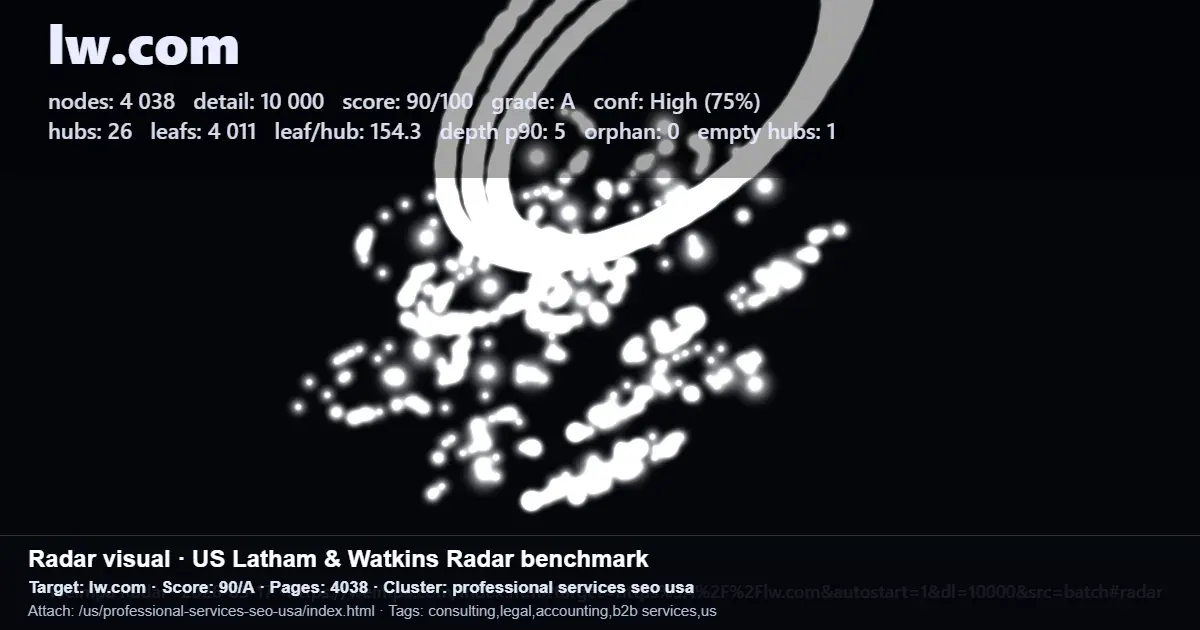
Radar is the first product layer. It checks robots.txt, tries to extract sitemaps, reads sitemap URLs, and builds a website graph. If sitemap discovery fails, it uses a shallow crawl within fair use limits to show pages, hubs, leaves, weak spots, access issues, readiness, and next steps.
When Radar shows a structural gap, 1000&1 Pages can help build the missing search layer. That may include US demand mapping, hub and leaf planning, evidence-backed Q&A pages, internal linking, deployment, sitemap submission, and growth monitoring.
What to keep in mind
This approach is useful when qualified inbound leads from Google and AI-powered search are lower than expected, and standard SEO reports do not explain the structural reasons. It connects performance questions to specific hubs, pages, buyer roles, and demand gaps.
It is not a quick traffic tactic or a promise of immediate lead volume. The work starts with diagnosis: how the public site is structured, what is visible, where discovery may be blocked, and which pages or hubs should be prioritized first.
The strongest fit is a US B2B or multi-location team that needs to understand whether the issue is content quality, site structure, demand coverage, indexing, sitemap quality, internal linking, or weak entry points before investing in more SEO activity.