
Controlled programmatic seo pilot
What this page covers
Controlled programmatic seo pilot
A controlled programmatic SEO pilot lets you test data-driven, template-based pages in a limited, low-risk environment before you scale. It focuses on structured keyword patterns and content quality that follow current search engine guidance.
By treating the pilot as an experiment, you can validate your topic model, page templates, and internal linking. Then you refine based on real search behavior and performance signals before committing more budget and resources.
In brief
- A controlled programmatic SEO pilot is a small, structured test of template-based pages built from a clear keyword pattern and a reliable dataset, launched in a limited scope to reduce risk.
- It helps you see how search engines and users respond to your topic model, templates, and internal links before you roll out hundreds or thousands of pages.
- The copy on this page is based on existing sources and is meant to clarify the topic and risks of programmatic SEO without overpromising results.
What to do
A controlled programmatic SEO pilot is a structured experiment, not a mass-publishing sprint. Start by choosing one topic cluster with clear “core keyword + modifier” patterns, such as product + location or problem + use case. Map these patterns into a spreadsheet, clean the data, and design one or two page templates that follow search engine guidance on usefulness, originality, and clarity. Each template should combine static copy that explains the offer, benefits, and trust signals with dynamic fields populated from your dataset.
Launch a limited set of pages, often a few dozen to a few hundred, so you can see how real users and search engines respond. Use a hub-and-spoke structure: a strong hub page that explains the topic and links to your programmatic pages, and consistent internal links back to the hub. Track impressions, clicks, and engagement in Search Console and analytics, then refine titles, on-page copy, and data inputs based on what you learn.
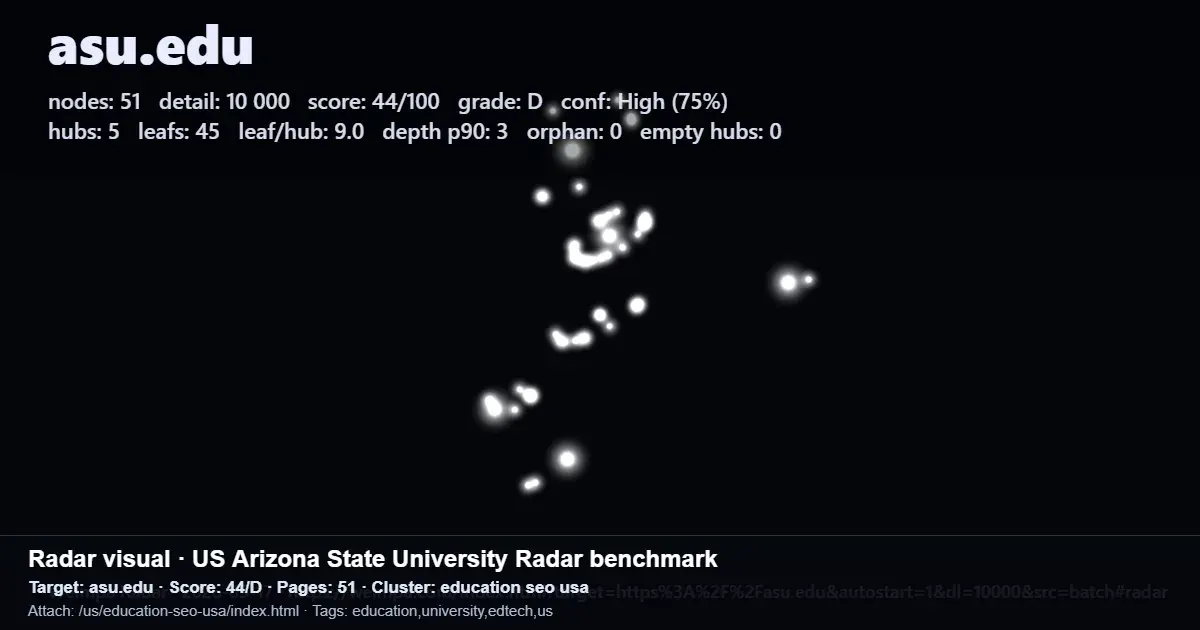
Tools like Radar help as diagnostics and planning support. They reveal gaps in site structure, internal linking, and topic coverage, and show where a programmatic pilot could fit. Outcomes still depend on how well you execute content, technical SEO, and ongoing optimization, so treat Radar as a guide, not an automation engine.
What to keep in mind
A controlled pilot will not guarantee rankings or traffic. It reduces risk by limiting scope, but results still depend on competition, your domain’s history, crawl and index behavior, and execution quality. Programmatic SEO that leans on thin, repetitive, or inaccurate data can trigger quality issues even at small scale, so every template must deliver real informational value.
This approach fits teams that already have some organic traction, access to reliable structured data, and the ability to iterate on content and templates. It is less suitable if you expect fully automated, highly personalized, or creative content with no editorial oversight, or if you cannot monitor performance and make changes over several months.
Diagnostics tools like Radar can show where your structure and topics are weak, highlight orphaned or low-value pages, and suggest where a pilot could replace generic content with focused, data-backed pages. They do not replace the need for solid copywriting, technical fixes, and realistic expectations about how fast search signals accumulate in competitive US markets.