
Programmatic SEO planning
What this page covers
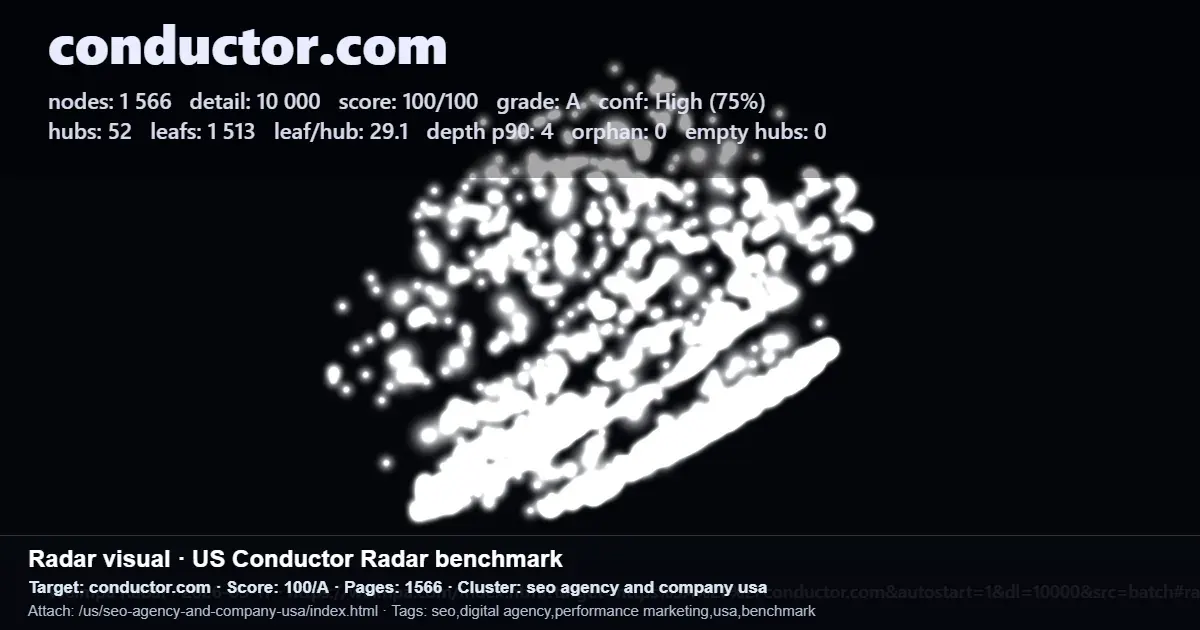
Programmatic SEO planning starts with measurable site structure: pages, hubs, leaf pages, depth, orphan pages, and empty hubs. These signals keep a large SEO footprint easier to review before it expands.
This hub organizes the main planning decisions for programmatic SEO, including controlled pilots, agency selection, cost factors, pricing scope, risk audits, tool choices, and thin-page prevention.
Use it as a practical map for moving from a broad programmatic SEO idea to a controlled plan, with attention to architecture, scope, and checks before larger publishing decisions.
What to choose
- Choose a controlled pilot if you want to test programmatic SEO on a smaller scope before increasing page count, templates, or target segments.
- Choose the risk, pricing, and cost-factor guides if you need to clarify scope before selecting a tool, agency, or managed build.
- Choose the examples and thin-page guides if your main concern is publishing at scale while keeping the structure clear and avoiding weak page sections.
Where to go next
The pages below break programmatic SEO planning into focused decisions, from controlled pilots and safe planning to agency criteria, pricing scope, risk audits, and tool versus managed-build choices.
Start with the topic that matches your current decision. If you are early, review safe planning and pilot guidance first. If execution is closer, compare scope, cost, risks, and examples.
What matters
- Radar benchmark data for vanderbilt.edu shows 76 pages, 6 hubs, 69 leaf pages, a leaf-to-hub ratio of 11.5, depth p90 of 6, and no orphan or empty hubs reported.
- Radar benchmark data for lemonade.com shows 2,192 pages, 20 hubs, 2,171 leaf pages, a leaf-to-hub ratio of 108.5, and 5 empty hubs reported.
- Comparing structures like these helps keep programmatic SEO planning grounded in architecture signals, not page volume alone.