
Seo alternative to ppc
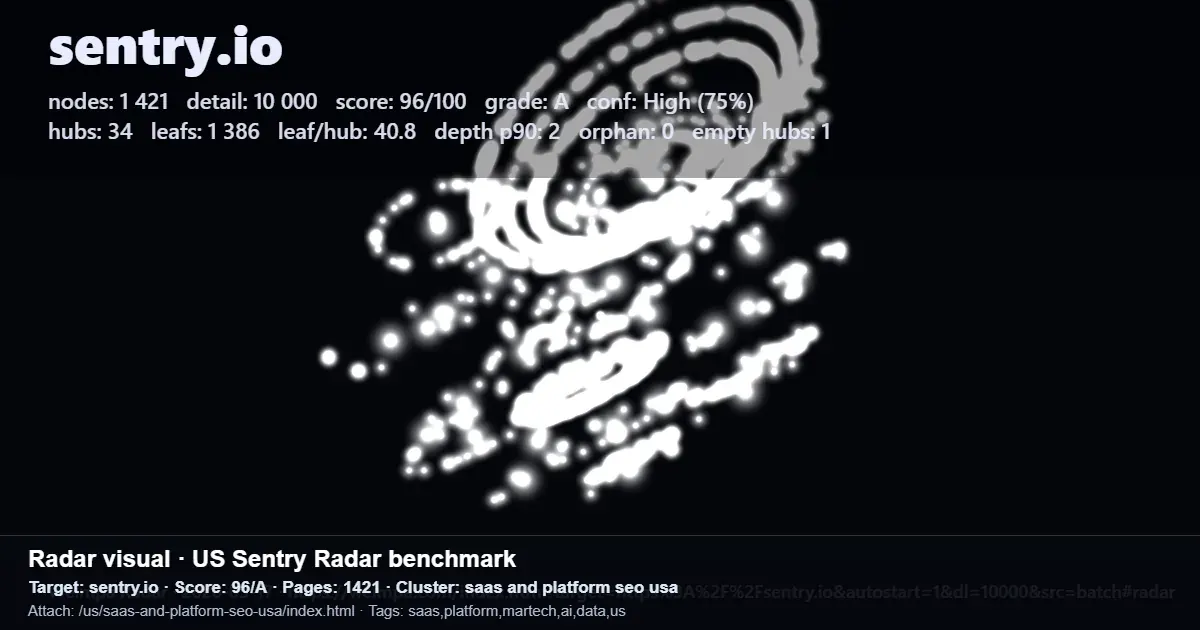
What this page covers
Seo alternative to ppc
If you want a more durable channel alongside paid search, start by checking whether your site is ready to capture organic demand from Google and AI-powered search.
Radar scans your public site structure, shows how pages and hubs are organized, and helps identify what to fix before you shift more budget from PPC to SEO.
In brief
- Radar helps teams reduce reliance on PPC by making the organic search foundation visible before they build more pages or campaigns.
- The workflow is simple: scan the site, review the structure, fix priority issues, and rescan to confirm what changed.
- Radar supports SEO and AI search planning, but it does not scan pages blocked by logins, paywalls, or aggressive bot protection.
What to do
Many teams looking for an SEO alternative to PPC are working with sites shaped by short-term landing pages, campaigns, and disconnected content. Radar gives you a structural view of the site before you decide where to invest next.
A scan can surface patterns such as hubs, leaf pages, page depth, topic clusters, sitemap access, and weak entry points. This helps you see whether the site has a clear architecture for the search demand you want to capture.
Radar does not replace SEO strategy, content work, or implementation. It makes the starting point clearer so you can plan focused fixes, improve site structure, and rescan to see whether the site is easier for search and AI systems to understand.
What to keep in mind
SEO is not a direct one-for-one replacement for PPC. Paid search can create immediate traffic, while organic search usually requires structure, useful pages, indexing, and time. Radar helps you diagnose the foundation before making larger SEO bets.
This is especially useful when organic traffic is inconsistent or when existing pages were built around campaigns instead of durable search topics. A Radar scan can show whether your public site structure supports the queries, hubs, and clusters you care about.
There are practical limits. Radar does not scan content behind logins, paywalls, or strong bot protection, although a JSON import can help visualize a URL snapshot you provide. The best fit is a team ready to act on scans, findings, fixes, and rescans.