
Orphan Growth Page Audit
What this page covers
Orphan Growth Page Audit
An orphan growth page audit checks whether priority growth pages are connected through your site’s navigation, hubs, and related page paths.
The goal is to remove isolated pages, keep the structure clear and shallow, and help users reach the right section without confusing menus or unnecessary redirects.
In brief
- Use the audit to find growth pages with few or no meaningful internal links, especially pages that are hard to reach from the main site structure.
- Check whether each priority page fits a clear hub and leaf hierarchy, with navigation that helps users move to the right section quickly.
- Prioritize fixes after reviewing the diagnosis, page profile, scores, problems, and implementation limits instead of jumping straight into rewrites.
What to do
Start with the structure, not the symptoms. A useful orphan growth page audit shows whether key pages are part of the site’s navigation logic, connected from relevant hubs, and reachable through a clear hierarchy.
Keep the audit focused on one business task at a time. Instead of asking for a vague improvement plan, define the page goal and review specific gaps: missing internal links, confusing paths, excessive crawl depth, unnecessary redirects, or pages that do not clearly fit a hub or leaf pattern.
Then turn the findings into practical fixes. Add links from relevant hubs, connect related pages where the relationship is clear, reduce unnecessary depth where possible, and keep implementation limits visible so recommendations match the team, timeline, and technical resources available.
What to keep in mind
A strong internal structure is not just about adding more links. Navigation should be intentional, menus should not mislead users, and the site should avoid orphan pages, excess redirects, and overly deep paths that make important sections harder to find.
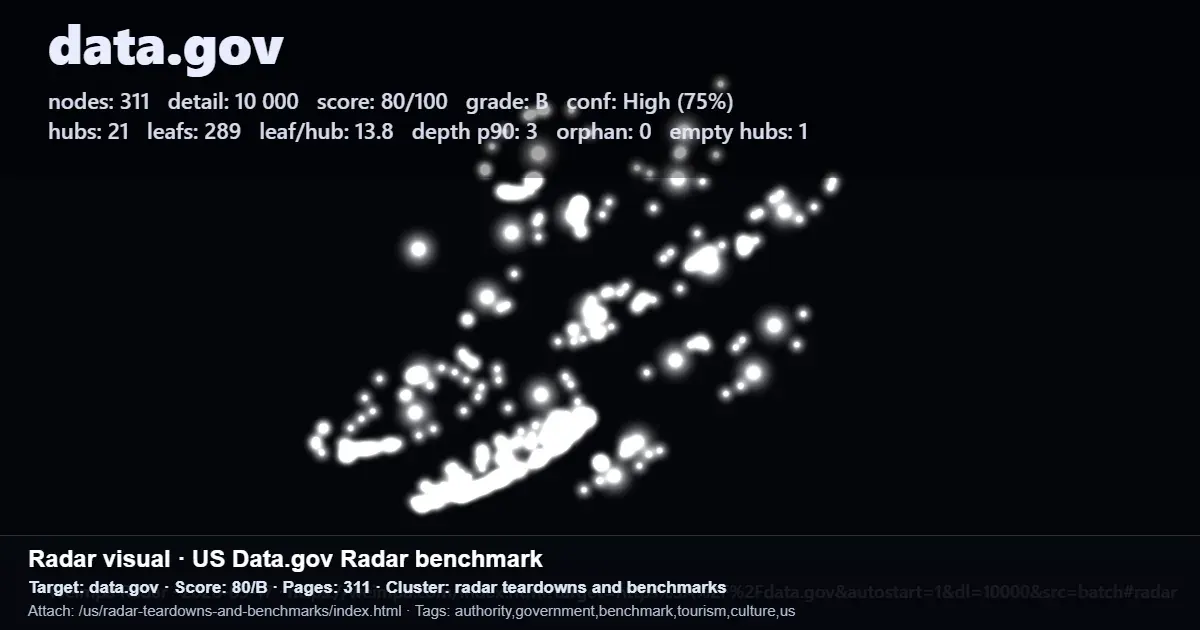
Radar-style structure reviews can make these issues visible through page counts, hubs, leaf pages, depth, and orphan page checks. One benchmark reports 517 pages, 23 hubs, 493 leaf pages, depth p90 of 2, and 0 orphan pages.
This audit works best when it stays diagnostic first. If the team jumps straight into rewriting pages, it may miss the structural or routing problem underneath. Define constraints such as no redesign, no template change, limited developer time, or quick wins before deciding what to fix.